
A fresh coat of paint can cover a stain, and a dehumidifier in a basement can mask a smell. Buyers who know where to look find problems that the listing photos do not show. This guide covers a walkthrough you can do yourself and when to bring in an inspector.
Look at Ceilings, Walls and Floors
Scan ceilings for rings, patches that do not match the rest of the surface and new paint in one spot. Look at the base of walls for bubbling or staining, and press gently on drywall near the floor to feel for softness.
Check floors for cupping, gaps or soft spots, particularly near bathrooms, kitchens and exterior doors. A hardwood floor that waves slightly may have been wet. A new patch of flooring in one room can mean a past repair.
Check the Basement, Crawl Space and Attic
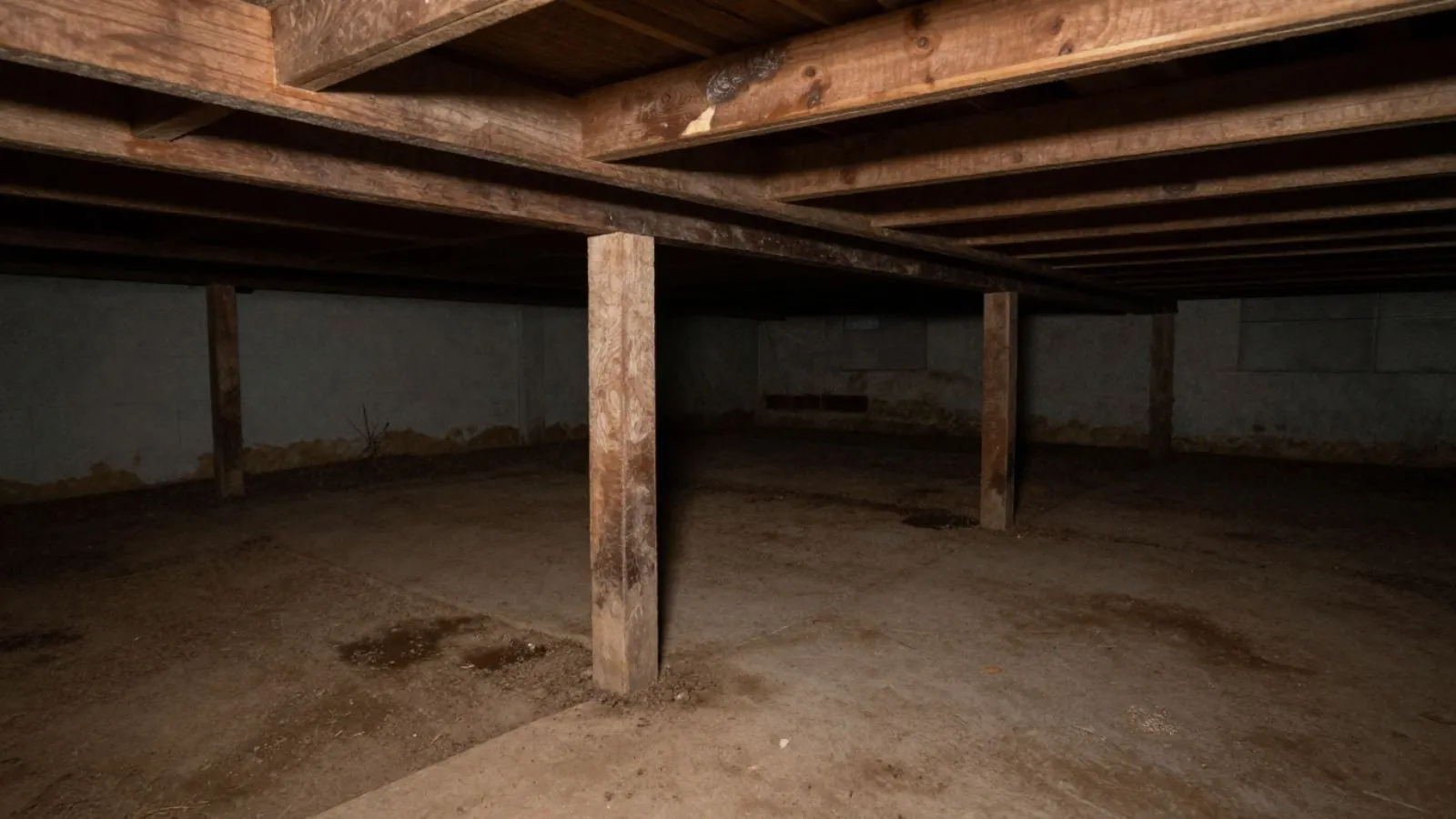
Bring a flashlight. In a basement, look for efflorescence, a white powder on concrete, and water lines on walls. In a crawl space, look for standing water, torn vapor barriers and sagging insulation. In an attic, look for dark stains on the underside of the roof deck.
Smell matters. A musty odor that is stronger in one closet or room points to a damp source, even when everything looks dry.
| Sign | What it may mean | Next step |
|---|---|---|
| Fresh paint on one ceiling area. | Past leak covered up. | Ask for repair records and take a moisture reading. |
| Cupped hardwood near a wall. | Moisture from below or the wall. | Ask about plumbing and request an inspection. |
| White powder on basement walls. | Water moving through concrete. | Look at grading and gutters. |
| Musty smell in a closet. | Damp wall or insulation. | Request a moisture test. |
| Rust at the base of the water heater. | Past or current leak. | Check age and ask a plumber to inspect. |
Questions to Ask the Seller
- Has the home had any leaks, floods or insurance claims for water damage?
- Were repairs done by a licensed professional, and is there paperwork?
- Is the home in a mapped floodplain, and does it carry flood insurance?
- How old are the roof, water heater, supply lines and appliances?
Sellers are generally expected to disclose known defects, though rules vary and not every problem is known. Ask for the written answers and compare them with what you see.
Bring in a Pro
A home inspector uses moisture meters and thermal cameras and can flag likely problems. If a concern comes up, ask for a moisture reading, a plumbing inspection or a crawl space inspection before closing. A written repair estimate gives you something to negotiate with.
Reading the Disclosure and the Inspection Report
Compare the seller disclosure with the inspection report line by line. If the disclosure says no water issues and the inspector finds stains or high readings, ask for an explanation. A mismatch is useful information, not an accusation.
Inspectors often include a recommendation for further evaluation. Take those lines seriously. A plumber or a restoration crew can give a more specific assessment of a suspect area than a general inspector can.
Negotiating After You Find Moisture
A written scope of work and a repair estimate give you leverage. Options include asking the seller to complete repairs before closing, requesting a credit or lowering the price. If the moisture source is unclear, ask for it to be identified before you commit.
In some cases the safest choice is to walk away. A recurring leak in a foundation or a roof that is near the end of its life can cost more than the savings from a lower price.
After You Close
Locate the main shutoff, test the sump pump and photograph the home before you move in. A baseline set of photos and readings helps if a claim comes up later, and it shows the condition of the home on day one.
Pre-Listing Repairs That Raise Flags
Fresh drywall, new flooring in a single room and a freshly painted basement are not proof of damage, but they are reasons to ask what was repaired and why. Ask for receipts and permits, and request a moisture reading before accepting a simple explanation.
Douglasville Buyers: Check the Map
Douglas County places its northern and eastern areas in the Sweetwater Creek floodplain and the southeast in the Chattahoochee floodplain, according to its flood brochure. Check the county map for the parcel before you make an offer, because a flood policy changes the monthly cost of owning the home.
Older buildings near downtown, including the Douglasville Commercial Historic District with structures from the 1880s, use plaster and heavy framing. If you are buying an older home, ask how long it has taken to dry after past leaks.
If an inspection finds moisture, see structural drying and crawl space water damage. We serve Winston and Douglasville, and the service area page explains coverage.
Common Questions
Cosmetic repairs can hide it. A moisture reading and a thermal camera often find what the eye cannot.
If you see stains, smell mustiness or the home is in a low area, yes. It costs little compared with a wet wall.
Ask for a written scope and cost to fix the moisture source and remove affected materials. Use it to negotiate or walk away.
Yes. A standard homeowners policy does not cover flood, so check the map and get a quote before closing.
Look for standing water, torn vapor barriers, sagging insulation and damp soil. An inspector can do this safely.