
Why Is My House Still Damp After the Water Is Gone?
Water soaks into wood, drywall and concrete, and it leaves slowly. A floor can feel dry on top while the subfloor and wall base still hold moisture, which is why a musty smell or cool, damp wall can show up days after cleanup.
Structural drying is the process of pulling that hidden moisture out. It uses air movement, controlled humidity and measured readings so the structure returns to a safe level before it is closed up.
How Structural Drying Works
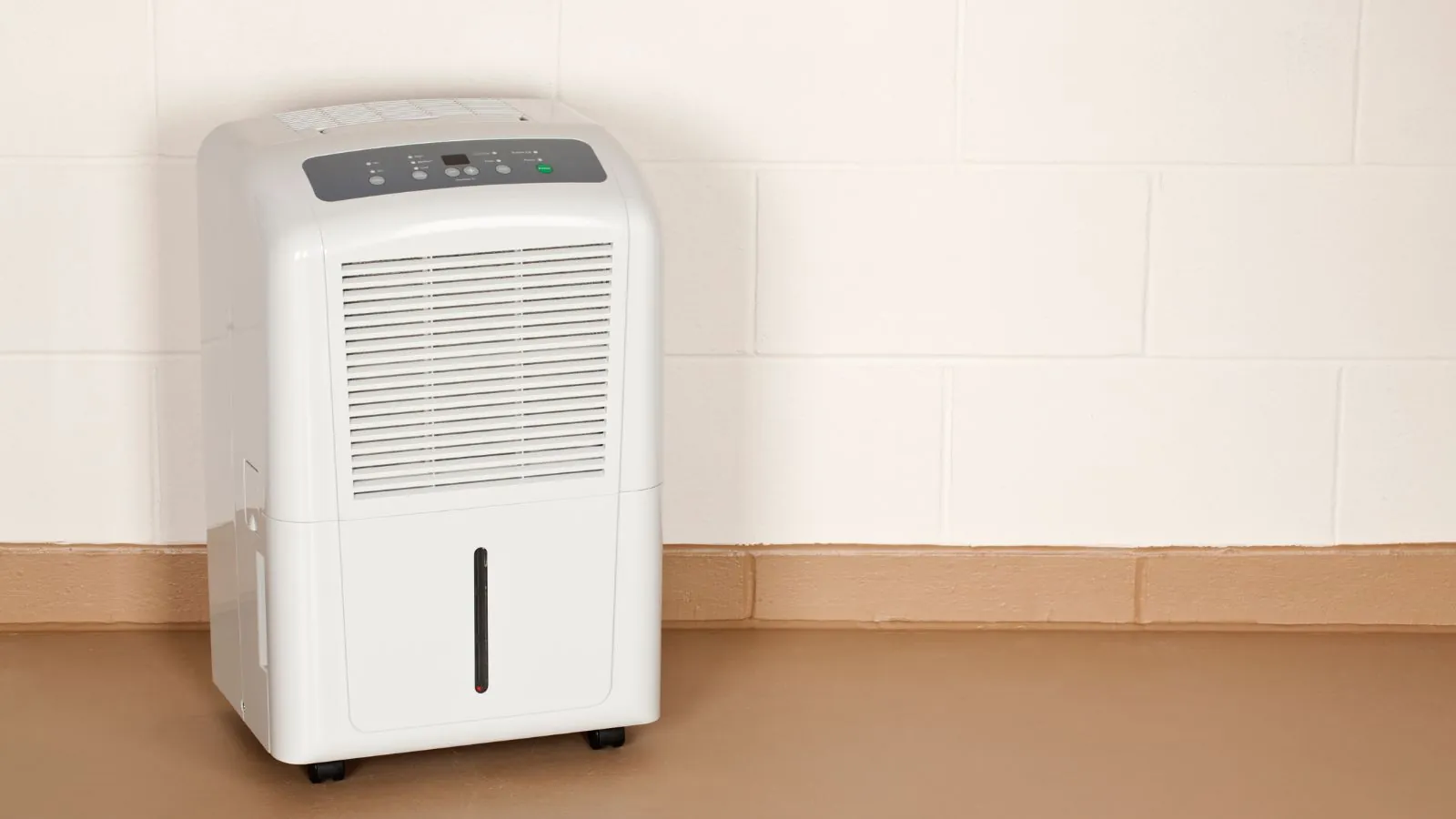
Drying depends on moving moist air out of the material and removing it from the room. Air movers push dry air across wet surfaces, and dehumidifiers pull moisture out of the air so it does not settle back. Heat helps the process but is balanced against the materials involved.
A technician records readings at set points on day one and returns to measure again. Equipment is adjusted or removed based on those numbers, not on a calendar guess. Drying ends when the readings match dry reference points for the same material in an unaffected area.
Map the moisture
Meters and a thermal camera show where moisture sits behind walls and under floors.
Set the equipment
Air movers and dehumidifiers are placed to work as a system, with doors and vents controlled.
Measure and adjust
Readings are repeated and equipment is repositioned as zones dry.
Confirm dry
Final readings are compared with dry reference points before equipment leaves.
Walls or floors still wet?
Call to set up a measured drying plan.
What Changes the Cost of Structural Drying
Drying costs track equipment days and the amount of material involved.
| Factor | Why it matters |
|---|---|
| Material type. | Concrete and hardwood dry slowly, while drywall dries faster. |
| Wet area. | More square footage means more equipment. |
| Humidity conditions. | A humid week slows drying and may need extra dehumidification. |
| Access to cavities. | Closed walls may need small openings for air. |
| Number of monitoring visits. | Readings are checked until the structure meets dry reference points. |
What to Expect During a Drying Job
Equipment arrives on day one and runs around the clock. You will hear air movers and dehumidifiers, and you will see hoses or ducting that vent warm, dry air out of the room. A technician returns each day to read the same spots and move equipment as zones dry.
Leave doors and windows closed in the drying area, keep the thermostat steady and do not unplug equipment. The system works best as a closed loop, and a single open door can add hours.
On the final visit, the technician compares readings with dry reference points and removes the equipment. You receive the readings so you have a record for your insurer.
What to Do While Equipment Runs
- Keep doors and windows closed in the drying area.
- Do not unplug or move equipment.
- Keep children and pets away from cords.
- Ask for a copy of each day of readings.
The Standard Behind Dry Reference Points
The idea of comparing wet readings with a dry reference comes from published practice in ANSI/IICRC S500. EPA guidance sets the outer time limit, which is to dry wet materials within 24 to 48 hours. Together they define what finished means.
Insurance and Drying Documentation
Moisture logs and equipment records show an adjuster how the drying progressed. Ask for copies of the readings, and keep photos of the equipment in place. The EPA recommends drying wet materials within 24 to 48 hours to prevent mold, so documenting the start time helps your claim.
Drying in a Humid Georgia Climate
Georgia humidity makes drying harder, since outdoor air is often as moist as the air inside. Closed windows and controlled dehumidification are what make the difference, and opening windows to ventilate usually slows the process.
Older buildings in the Douglasville Commercial Historic District, which has structures from the 1880s, use heavy framing and plaster that hold moisture longer than modern drywall. Those materials need more drying time and closer monitoring.
Related Services
Drying usually follows water extraction or flood damage cleanup. If a musty smell has already started, read about mold remediation, and for flooring, see hardwood floor repair.
Structural Drying Questions From Douglasville Homeowners
Moisture is still inside the wall cavity. A cool or damp wall means readings are high, and drying equipment is needed before it is closed up.
Most losses take several days, depending on materials and humidity. Readings decide when it is complete.
Air movers and dehumidifiers run continuously to move and remove moisture. The noise is the cost of fast drying.
Usually not. Outdoor air in a humid climate can add moisture. Keep windows closed unless we advise otherwise.
Readings are compared with a dry reference from unaffected areas of the same material.