
How Water Moves Through a Wall
Drywall is gypsum between sheets of paper, and the paper wicks water upward from the floor. A wall that was wet at the base can hold moisture a foot or more above the visible line.
Water also drops down the inside of a wall from above, so a ceiling leak often ends in a wet bottom plate. The wall can look fine from the outside while the cavity is saturated.
Dry It or Cut It
Drywall that is wet but firm can often be dried in place with air flow through small openings. Soft, crumbling or stained drywall is cut out, because it will not recover and can hold moisture against framing. Insulation in the cavity is checked and replaced if it is wet.
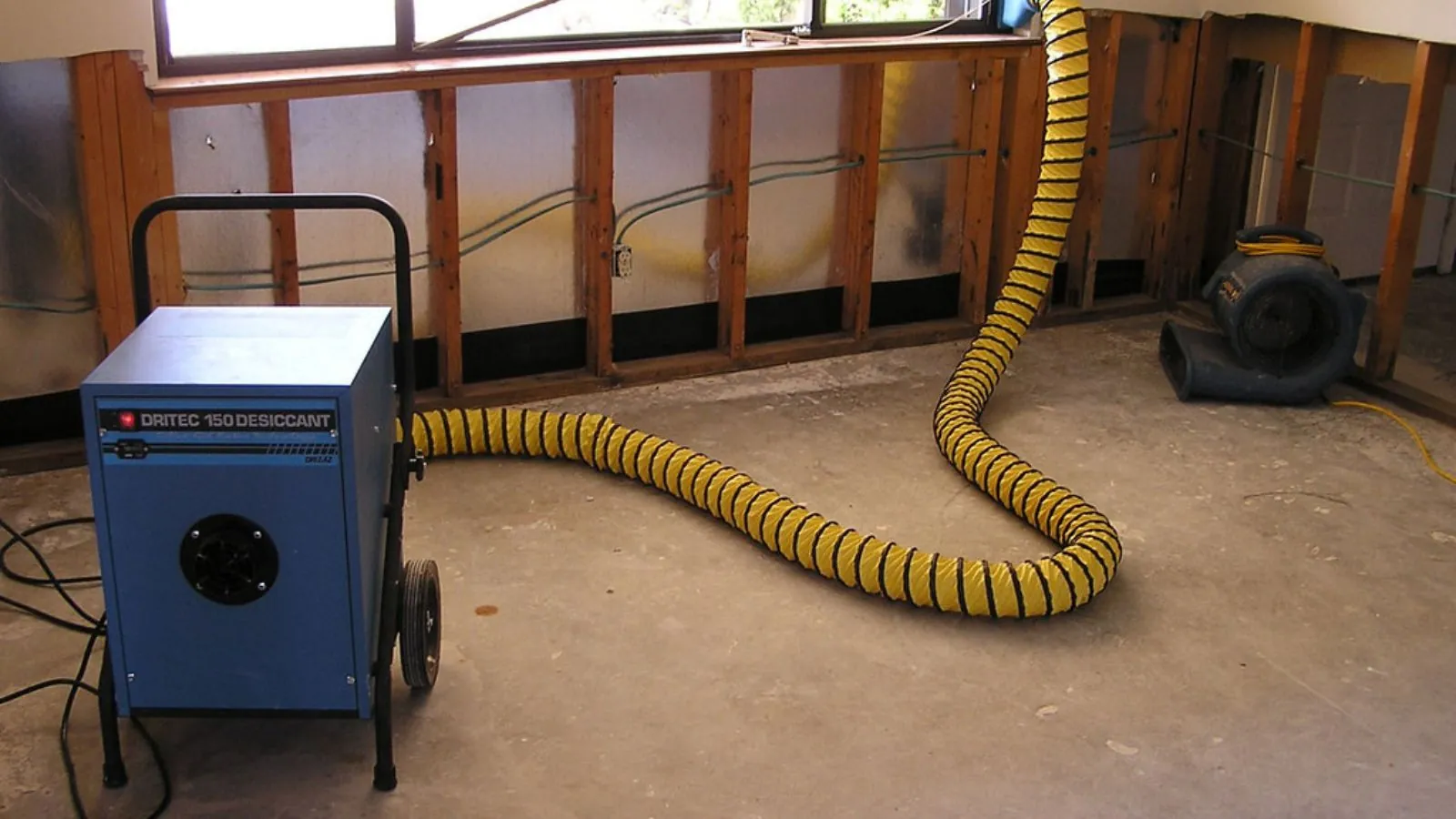
We cut at a clean height, usually a flood cut a few inches above the highest reading, and leave the opening for drying. Once readings are normal, the wall is ready for patching, taping, texture and paint.
Bubbling or peeling paint
Moisture is moving through the paper face.
Soft or crumbly drywall
The gypsum has lost strength and likely needs to be cut.
Brown stain rings
Water has traveled through and left minerals.
Musty smell near a wall
Moisture is trapped in the cavity.
Wall wet or stained?
Call for moisture mapping and a plan.
What Changes the Cost of Wall and Drywall Repair
Cut height and finish drive the cost.
| Factor | Why it matters |
|---|---|
| Height of the wet line. | A higher line means more drywall removed. |
| Insulation type. | Wet insulation is replaced. |
| Texture and paint. | Matching texture takes more skill and time. |
| Baseboard and trim. | Trim is removed and reset or replaced. |
| Access to the cavity. | Tile or built-ins slow work. |
What to Do Before the Crew Arrives
Move furniture away from the wet wall and remove pictures, shelves and electronics. Pull baseboards only if they come off easily, because open edges let air reach the cavity.
Do not poke holes in a bulging wall, and do not paint over a stain. If an outlet or switch sits on the wet wall, leave it off and keep it unused until a technician checks it.
Take photos of the stain, the base of the wall and any paint bubbling. Note the time the leak was found and what you did to stop it.
Repair Steps After the Wall Is Dry
Once readings return to normal, the opening is closed with new drywall, taped, mudded and sanded. Texture is matched to the surrounding wall, then primed and painted. Priming matters, because a stain that bled once will bleed again through thin paint.
If baseboard, outlets or built-ins were removed, they are reset at the end. Walls that took water from a ceiling leak also get a quick check of the ceiling side, so a single repair does not leave a visible patch next to an untouched stain.
Standard for Cutting Versus Drying
The published ANSI/IICRC S500 approach favors drying materials that can recover and removing those that cannot. Firm, clean-water drywall can often stay, while soft or stained board is cut above the highest reading.
Insurance and Wall Repairs
Policies usually treat sudden water as covered, while long-term seepage may be treated differently. Photograph the wall before removal and keep moisture readings. Your adjuster decides how paint matching across rooms is handled.
Walls in Douglasville Homes
Older buildings in the Douglasville Commercial Historic District, which has structures from the 1880s, often have plaster instead of drywall. Plaster dries differently from drywall and may need slower, more careful drying.
Wall cavities in newer homes often have insulation that sags when wet. A thermal camera shows the wet line, which prevents cutting more than needed.
Related Services
Wet walls often come from burst pipe water damage or ceiling leaks. For hidden moisture, see structural drying.
Wall and Drywall Questions From Douglasville Homeowners
If it is firm and the water was clean, often yes. Soft or stained drywall is cut out.
A few inches above the highest moisture reading, which is usually higher than the visible stain.
Matching depends on the paint age and texture. We note the repair scope for the painter.
If it is wet, yes. Dry sections can stay.