
EPA guidance says to dry wet materials within 24 to 48 hours to prevent mold. That window is the most useful number in water damage. It tells you how long you have before a wet room becomes a bigger problem.
What the 24 to 48 Hour Window Means
Mold spores are present in most indoor air. They need moisture and a food source to grow. When drywall, wood or carpet pad stays wet for a day or two, conditions become right.
The window is not a switch. Growth can start sooner in warm, humid conditions and later in cool, dry ones. But the practical rule holds: the sooner materials are dry, the less chance growth has.
| Material | How it behaves when wet | What to do |
|---|---|---|
| Drywall. | Paper face supports growth. | Dry quickly or cut out if soft. |
| Carpet pad. | Holds water and food source. | Replace after clean-water leaks. |
| Insulation. | Stays wet and slow to dry. | Remove if soaked. |
| Wood framing. | Dries if exposed to air. | Dry and clean. |
| Concrete. | Poor food source but holds moisture. | Dehumidify. |
Steps in the First 48 Hours
- Stop the water source.
- Remove standing water and pull soaked pad or carpet.
- Start dehumidification and air movement.
- Open cabinet doors and remove baseboards if needed.
- Take moisture readings and photographs.
- Cut out drywall or insulation that stays wet.
Each step shrinks the area that is damp, and a smaller damp area means less to dry.
Signs Growth Has Started
A musty smell, dark spots on drywall or trim and a damp feel at the base of a wall all suggest that growth may have begun. Do not disturb the area. Find the moisture source and plan removal and drying before cleaning.
If the area is more than a few square feet or inside a wall, call a remediation crew. They use containment so spores do not move into other rooms.
Why Speed Matters for Claims Too
Insurers often cover mitigation as part of a covered loss, and delays can complicate coverage for mold. Document the time of the loss and the start of drying, and keep the readings. A clear timeline shows that you acted within the window.
Common Misunderstandings About Mold Timing
Some people assume mold appears only after weeks. In reality, it can begin in the first couple of days, though it may not be visible yet. Others assume it needs a flood. A small leak that keeps a wall damp can be enough.
Another misunderstanding is that a dry surface means a dry material. Drywall can feel dry while the paper backing inside the wall remains damp. Readings, not touch, tell you whether the material is dry.
What a Crew Does Within the Window
In the first two days, crews remove standing water, pull soaked materials and set dehumidification. They log readings so the timeline is documented. If a wall stays wet, a small opening lets air reach the cavity.
This work is far cheaper than remediation later. A day of drying equipment costs less than removing and replacing a section of wall that grew mold.
If the Window Has Passed
If it has been more than two days, do not panic. Check readings, remove materials that stayed wet and dry the rest. If you see growth, contain the area and plan removal. The goal is the same, only the scope may be larger.
Keeping Humidity Down Afterward
After drying, aim for moderate indoor humidity. Run the air conditioner, use a dehumidifier in basements and keep bathroom and kitchen fans vented outdoors. A cheap hygrometer shows the humidity level so you can act before it climbs.
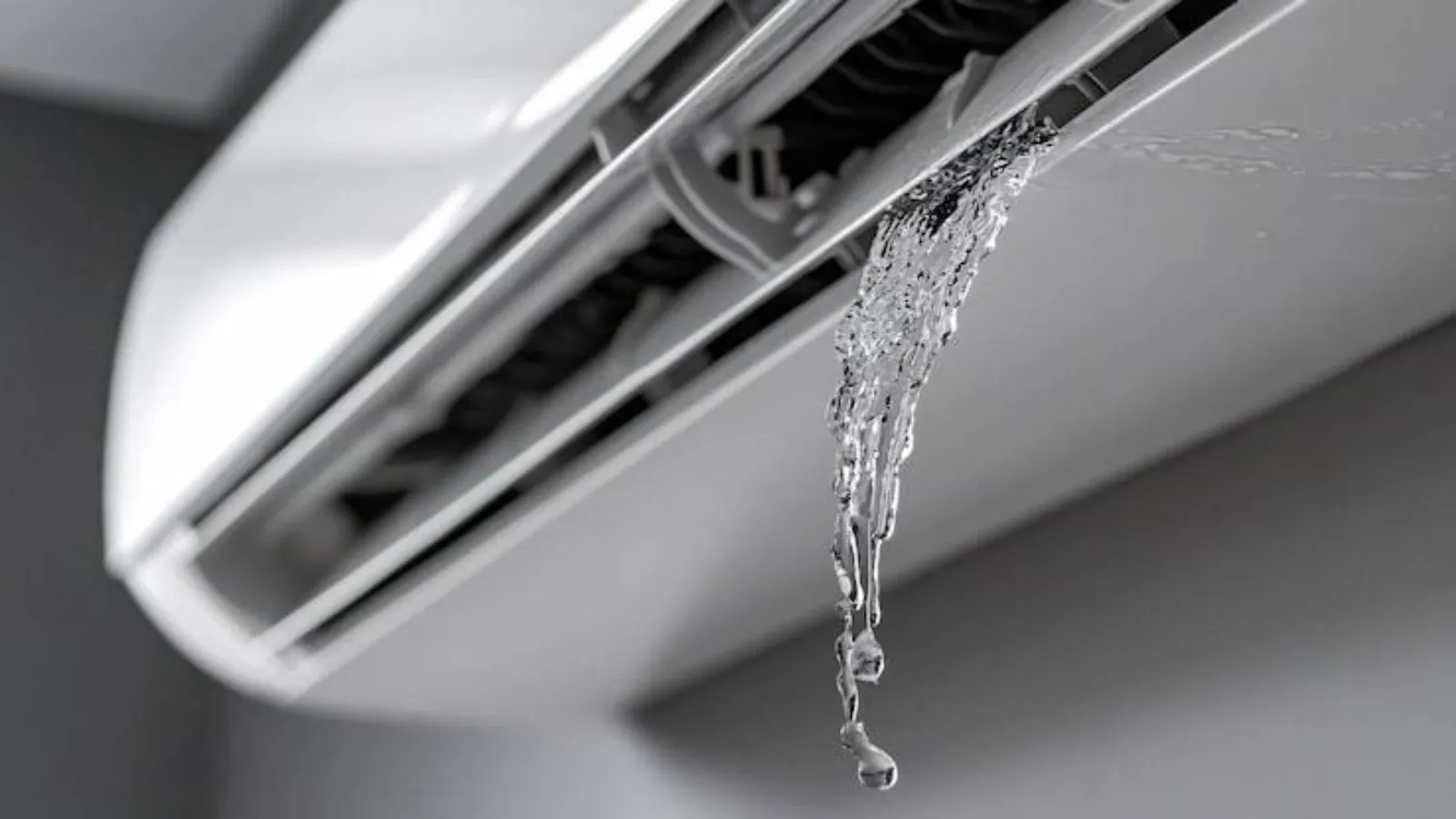
Fix small leaks promptly. A condensate line that drips every summer is a quiet source of repeat moisture, and so is a downspout that dumps beside the foundation.
Rental Properties and Shared Buildings
In a rental, report water damage to the landlord at once and in writing. The clock for mold starts when the leak starts, not when the landlord responds. Photograph your belongings, move them away from wet walls and keep a copy of every message.
Mold Timelines in a Humid Climate
Georgia humidity keeps the air close to saturation for much of the year. Materials dry slowly, so the practical window for action can feel shorter than it would in a dry climate. Dehumidification is the tool that makes the difference.
Basements and crawl spaces near mapped floodplains hold moisture longest. Douglas County places the north and east in the Sweetwater Creek floodplain and the southeast in the Chattahoochee floodplain, so low lots deserve a check after storms.
To act on the window, see mold remediation and structural drying. We serve Winston and Douglasville, and the service area page explains coverage.
Common Questions
It can begin within 24 to 48 hours on wet materials, according to EPA guidance.
No. Fast drying prevents it in most cases. Materials that stay wet for days are most at risk.
Find the moisture, contain the area and remove materials that cannot be cleaned.
Warm, humid weather speeds growth, so summer leaks need quick attention.
No. Bleach does not remove moisture or reach growth inside porous materials.