
People often ask for a number of days. The honest answer is a range, because the same amount of water behaves differently in drywall, hardwood and concrete. This guide explains what controls drying time and what to expect.
What Controls Drying Time
Four things matter most. Dense materials such as concrete and hardwood release water slowly, and the amount of water and how long it sat also count. Humidity, temperature, airflow and dehumidification complete the list.
A small leak on a tile floor can be dry in a day. A burst pipe that soaked insulation and drywall can take a week or more.
| Material | What affects it | General range |
|---|---|---|
| Drywall. | Thickness, paper face and insulation behind. | A few days with airflow. |
| Carpet and pad. | Whether the pad is removed. | One to three days after extraction. |
| Hardwood floors. | Species, finish and installation. | Several days to a couple of weeks. |
| Concrete slab. | Thickness and moisture below. | Often a week or more. |
| Framing lumber. | Species and how wet it got. | Several days to a week. |
These ranges are general. A technician records readings on day one and again each day, and the numbers decide when equipment leaves.
What Slows Drying
High indoor humidity is the biggest factor in the South. Opening windows on a damp day can add moisture. Closed cavities, such as walls with insulation, hold water longer. Low temperatures slow evaporation, and heavy flooring materials block airflow.
Delay slows things too. Water that sits for a day soaks deeper, and the drying plan must pull it back out.
How Professional Drying Speeds It Up
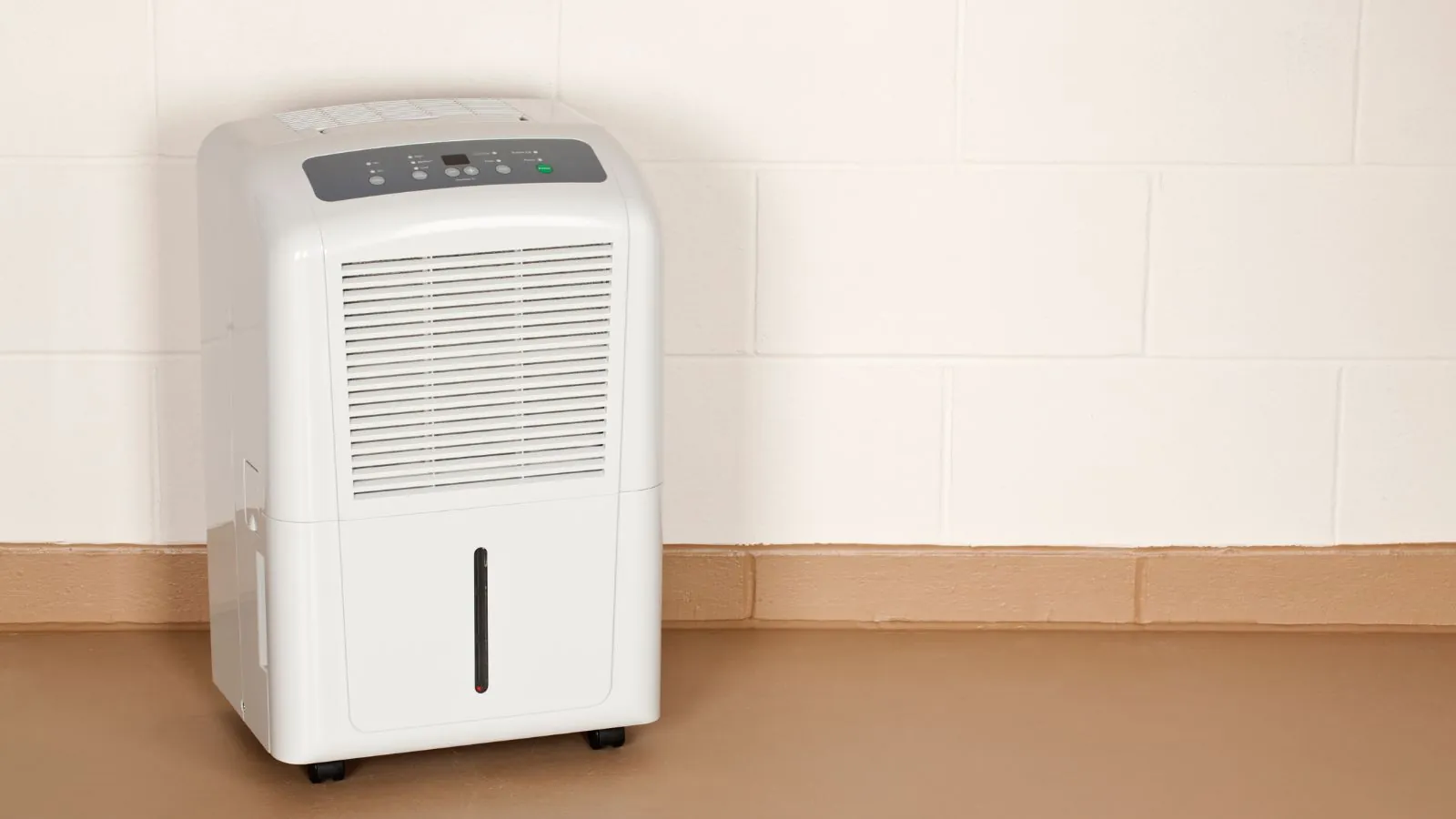
Air movers push dry air across wet surfaces, and dehumidifiers remove moisture from the air so evaporation continues. Crews may open small holes in walls for airflow, lift carpet and use floor drying mats on hardwood.
Equipment is adjusted as zones dry. When readings in a material match a dry reference from an unaffected area, that zone is done.
What You Can Do While You Wait
- Keep doors and windows closed in the drying area.
- Do not unplug or turn off equipment.
- Keep the thermostat steady.
- Keep pets and children away from equipment cords.
- Ask for a copy of the readings.
Day by Day: A Typical Drying Job
On day one, the crew extracts water, maps moisture and sets equipment. Readings are logged with locations and times. On day two and three, the crew returns to check readings, move equipment and remove materials that are not drying.
By day four or five, most drywall and framing near the loss are approaching dry readings. Hardwood and concrete may need several more days. The last visit compares each reading with a dry reference and removes the equipment.
Why Some Rooms Dry Faster Than Others
A bathroom with tile and a tub dries faster than a carpeted bedroom with a closet full of boxes. Air moves freely in an open room and poorly in a cluttered one. Clearing the room helps, and so does opening closet doors and cabinets.
Rooms with lots of insulation, such as exterior walls, trap moisture. Crews may open small holes at the top and bottom of the wall to move air through the cavity.
Signs Drying Is Complete
Readings in each wet material match the reference. There is no musty smell, no cool damp feel at the baseboard and no staining that is growing. The crew should give you the log. If something is unclear, ask them to explain what each number means.
Tools That Show Drying Progress
Pin and pinless moisture meters read materials at set points, and a thermal camera shows cool, wet areas as color. A psychrometer measures temperature and humidity in the room, so the crew can tell whether the air can still absorb moisture.
These readings answer a simple question: is the room able to dry? If the air is too humid, adding more fans does not help. Adding dehumidification does. That is why you hear both types of machines running together.
If you are waiting on drying to finish, plan around it. Equipment takes up space and makes noise, and rooms may be closed for several days. Ask the crew which doors must stay shut and which areas you can use, and keep pets away from cords and hoses.
What to Do While Drying Is Underway
- Keep windows closed.
- Leave equipment running.
- Keep cords out of walkways.
- Ask for the readings log.
Drying time is judged against dry reference readings under the published ANSI/IICRC S500 standard, and EPA guidance sets a 24 to 48 hour target for wet materials.
Drying in a Humid Georgia Climate
Outdoor air in Georgia is often nearly as damp as indoor air, so ventilation alone rarely dries a house. Dehumidification does the work that fresh air cannot, which is why professional drying uses sealed spaces.
Older buildings, including those in the Douglasville Commercial Historic District with structures from the 1880s, use plaster and heavy framing that hold water longer than modern drywall. Expect longer drying times and more readings for those materials.
For the full process, see structural drying and dehumidification and water extraction. We serve Winston and Douglasville, and the service area page explains coverage.
Common Questions
Most losses take several days. Concrete and hardwood can take longer, and small spills on tile may dry in a day.
High humidity slows evaporation, so dehumidifiers and closed spaces are needed.
Moisture readings match a dry reference from an unaffected area of the same material.
Fans help on surfaces, but without dehumidification they cannot finish the job.
Moisture left in framing or subfloor can lead to odors, staining and mold growth.