
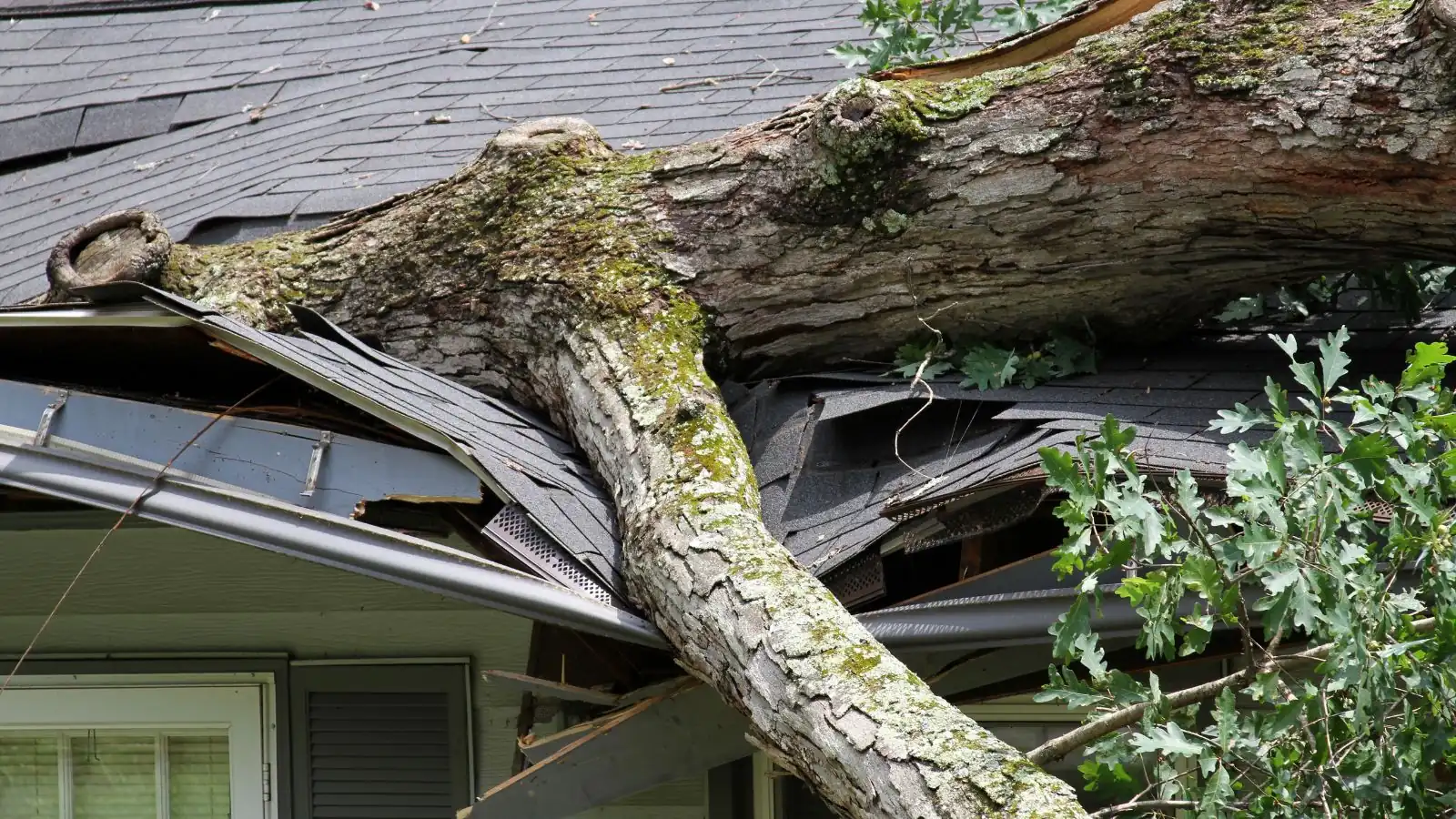
Storm preparation is mostly about directing water away from the house and knowing how to stop it if it gets in. Most of the tasks below cost little and take an afternoon. They are best done before the forecast, not during it.
Outside First: Roof, Gutters and Grading
Clogged gutters send water over the edge and down the foundation. Clear them of leaves and check that downspouts extend several feet from the house. Inspect the roof for lifted shingles, cracked flashing and gaps around vents and chimneys.
Look at the soil near the foundation. It should slope away from the house. Low spots near walls collect water and push it toward basements and crawl spaces.
Inside: Know Where the Water Stops
Find your main water shutoff and make sure it turns. Label it, and make sure every adult in the house knows where it is. Test the sump pump if you have one by pouring a bucket of water into the pit.
Check under sinks, behind the washing machine and around the water heater for slow leaks. A damp cabinet base now becomes a larger repair when a storm adds humidity.
| Area | What to check | Why it matters |
|---|---|---|
| Gutters and downspouts. | Clear debris, extend discharge. | Keeps roof water away from the foundation. |
| Roof and flashing. | Look for lifted shingles and gaps. | Stops the most common interior leaks. |
| Sump pump. | Test and consider battery backup. | Power outages often come with storms. |
| Main shutoff. | Locate and test. | Stops a burst line quickly. |
| Crawl space vents and barrier. | Clear vents, inspect the barrier. | Limits moisture rising into the house. |
| Important papers and electronics. | Move up or into waterproof bins. | Protects items you cannot replace. |
Paperwork Before the Storm
Take a video walkthrough of each room, opening closets and cabinets. Store it in cloud storage. Save a copy of your policy and the agent contact, and learn whether your policy covers flood, which a standard homeowners policy does not.
If you decide to buy flood coverage, note the National Flood Insurance Program typically has a 30-day waiting period. Buying it mid-storm will not help.
Build a Simple Emergency Kit
A small kit near the main shutoff saves time. Include a flashlight with spare batteries, work gloves, a pair of boots, a wrench that fits your shutoff, plastic sheeting and tape, and a few buckets. Add a printed list of phone numbers for your insurer, plumber and restoration crew.
Store the kit above floor level. A kit that floods with the basement is no help during the storm.
During the Storm
If water begins to enter, move people and valuables to higher ground. Turn off power to affected areas if you can reach the panel without standing in water. Do not walk through flood water, because it can hide debris and electrical hazards.
Take photos as conditions allow, and do not drive through flooded roads. When it is safe, close the water main if a pipe was damaged, and call your carrier and a restoration crew.
After the Storm
Check the roof, attic and ceilings for new leaks. If you can safely cover a damaged roof section with a tarp, do it and document it. Georgia insurance guidance recommends exactly that step.
Dry wet materials within 24 to 48 hours, according to EPA guidance. That window is the difference between a wet room and a moldy one.
Protecting Contents and Electronics
Water that enters a basement or ground floor goes after whatever sits on the floor. Raise electronics, boxes and furniture on blocks or move them upstairs. Store documents in sealed plastic bins and keep a digital copy of the important ones.
Appliances such as washers and dryers are heavy and hard to move. If you live in a low area, ask a plumber about raising supply and drain connections or installing a check valve on the sewer line.
What to Do Before the Storm Arrives
- Clear gutters and extend downspouts.
- Locate and test the main shutoff.
- Move valuables off the floor.
- Never walk through flood water.
What Douglas County Storms Have Shown
The National Weather Service recorded 21.03 inches of rain in 24 hours at the Douglasville-Douglas County Water and Sewer Authority on September 20 to 21, 2009. The Dog River overtopped the USGS gage by 12 feet. Those numbers explain why gutters, grading and a sump pump matter more than they seem to on a dry day.
The county flood brochure places the northern and eastern areas in the Sweetwater Creek floodplain and the southeast in the Chattahoochee floodplain. If your street is near either, check the county floodplain map and talk to your agent about flood coverage.
If a storm does send water into the house, see storm water damage cleanup and basement water damage cleanup. We serve Winston and Douglasville, and the service area page lists ZIP codes.
Common Questions
Before the forecast. Gutters, roof checks and sump pump tests are easiest when the weather is dry.
It depends on your location and risk. A standard homeowners policy does not cover flood, so ask your agent and check the county floodplain map.
Move papers and electronics off the floor and into waterproof bins. Take photos of valuables for your records.
A battery backup for a sump pump is the most useful fix. Keep a flashlight handy near the main shutoff.
Call your carrier to report the loss and a restoration crew to remove water and begin drying.