
Georgia has four distinct water risks over the year. Spring and summer bring heavy rain, summer brings humidity and air conditioner leaks, fall brings leaves in gutters and winter brings the occasional hard freeze. Knowing which risk fits the season helps you inspect the right things.
Spring: Storms and Saturated Ground
Spring thunderstorms test roofs, gutters and drainage. Check the attic for damp insulation after storms, and look at ceilings for new stains. Walk the yard after rain to see where water pools.
Basements and crawl spaces are most at risk when the ground is saturated from repeated storms. Test the sump pump and make sure downspouts discharge away from the foundation.
Summer: Humidity and Air Conditioners
Hot, humid months run air conditioners hard, and condensate lines can clog and overflow into ceilings and closets. Flush the line, check the pan and make sure the float switch works.
High indoor humidity slows drying after any leak. Keep the house closed on humid days and use a dehumidifier in basements and damp rooms.
Fall: Leaves and Preparation
Leaves fill gutters and block downspouts. Clean them in late fall, inspect the roof and check weatherstripping at doors. Service the water heater and look at supply lines to appliances before cold weather.
Winter: Freeze and Thaw
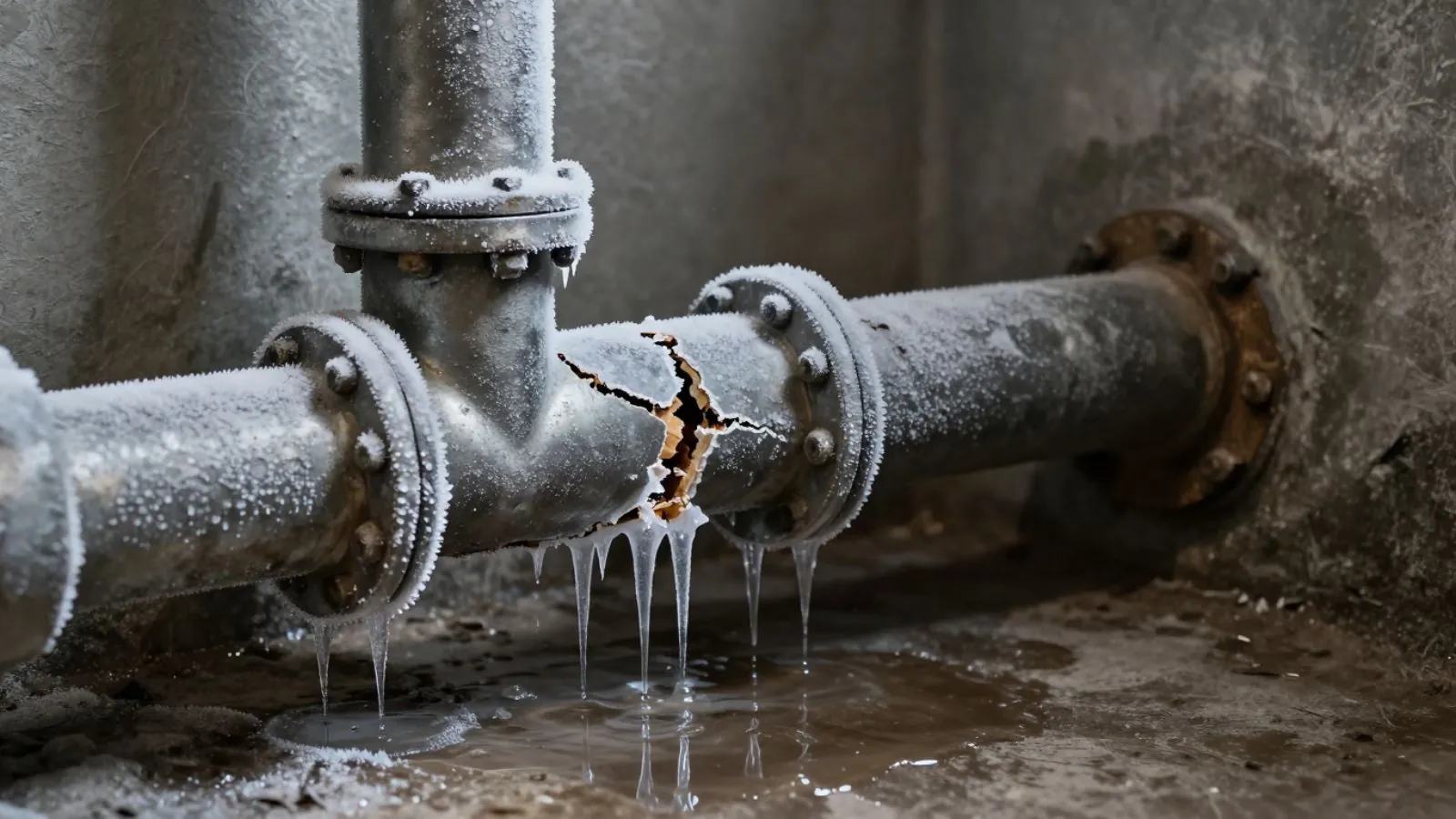
Pipes in crawl spaces, attics and exterior walls can freeze on the coldest nights. Open cabinet doors under sinks on exterior walls, let a faucet drip and insulate exposed lines. A leak often starts after the thaw, not during the freeze.
| Season | Main water risk | What to check |
|---|---|---|
| Spring. | Storm runoff and roof leaks. | Gutters, roof, sump pump, grading. |
| Summer. | Condensate overflow and humidity. | AC drain line, float switch, dehumidifier. |
| Fall. | Clogged gutters and aging supply lines. | Gutters, roof, appliance hoses. |
| Winter. | Frozen and thawed pipes. | Exposed lines, outdoor faucets, cabinet doors. |
Hidden Risks That Run Year-Round
Some leaks do not follow the calendar. A water heater tank corrodes from the inside regardless of the weather. Washing machine hoses wear out over time, and a toilet supply line can fail on any day. Replace rubber hoses with braided stainless ones and check the age sticker on the water heater.
A slow leak under a sink or behind a refrigerator can go unnoticed for weeks. Check cabinet bases and the floor near appliances every few months, and look for water stains on the ceilings below upstairs bathrooms.
Using Your Water Bill as an Alarm
Compare your monthly water bill to the same month last year. A jump with no change in use is a warning that a line is leaking. Check the meter with every fixture off. If it keeps moving, a leak exists and a plumber can locate it.
The Douglasville-Douglas County Water and Sewer Authority publishes an Application for Leak Billing Adjustment for customers who find and repair a large leak. Ask whether it applies once the repair is documented.
When to Call a Crew
Call as soon as water reaches a wall, ceiling or carpet. A small leak that is dried within a day often needs only minor repairs. A leak that sits for a week can mean new drywall, flooring and a long list of arguments with the insurer.
A Yearly Calendar You Can Copy
- March: test the sump pump and clear gutters.
- May: flush the AC condensate line and test the float switch.
- September: inspect the roof, check supply hoses and service the water heater.
- November: insulate exposed lines and note the main shutoff location.
The exact dates matter less than the habit. Tie each task to something you already do, such as changing clocks or the first cool week of fall.
Each of these habits takes minutes. The goal is not a perfect house but a short list of checks that catch the leaks most likely to become claims, so a small repair stays small.
How This Plays Out in Douglas County
Douglas County has two mapped floodplains, with Sweetwater Creek to the north and east and the Chattahoochee to the southeast, according to the county flood brochure. Spring and summer storms are when those areas matter most, so check the county map for your address.
Mild winters make it easy to forget pipe protection. Because freezes are less frequent in this part of Georgia, homes often have exposed lines in crawl spaces and attics, so a single hard freeze finds them. Plan ahead each fall rather than on the night of the freeze.
For seasonal problems, see frozen pipe water damage and AC leak water damage. We serve Winston and Douglasville, and the service area page explains coverage.
Common Questions
Spring and summer storms cause many losses. Plumbing and appliance failures happen all year, and freezes cause thaw leaks in winter.
At least twice a year, and after major storms. More often if trees overhang the roof.
Hard freezes are less frequent, so lines in crawl spaces and attics are often unprotected. Prepare before a cold snap.
Inspect the main shutoff, gutters and appliance hoses at the start of each season.
Close the water source and call a restoration crew and a plumber. Also report the loss to your carrier.