
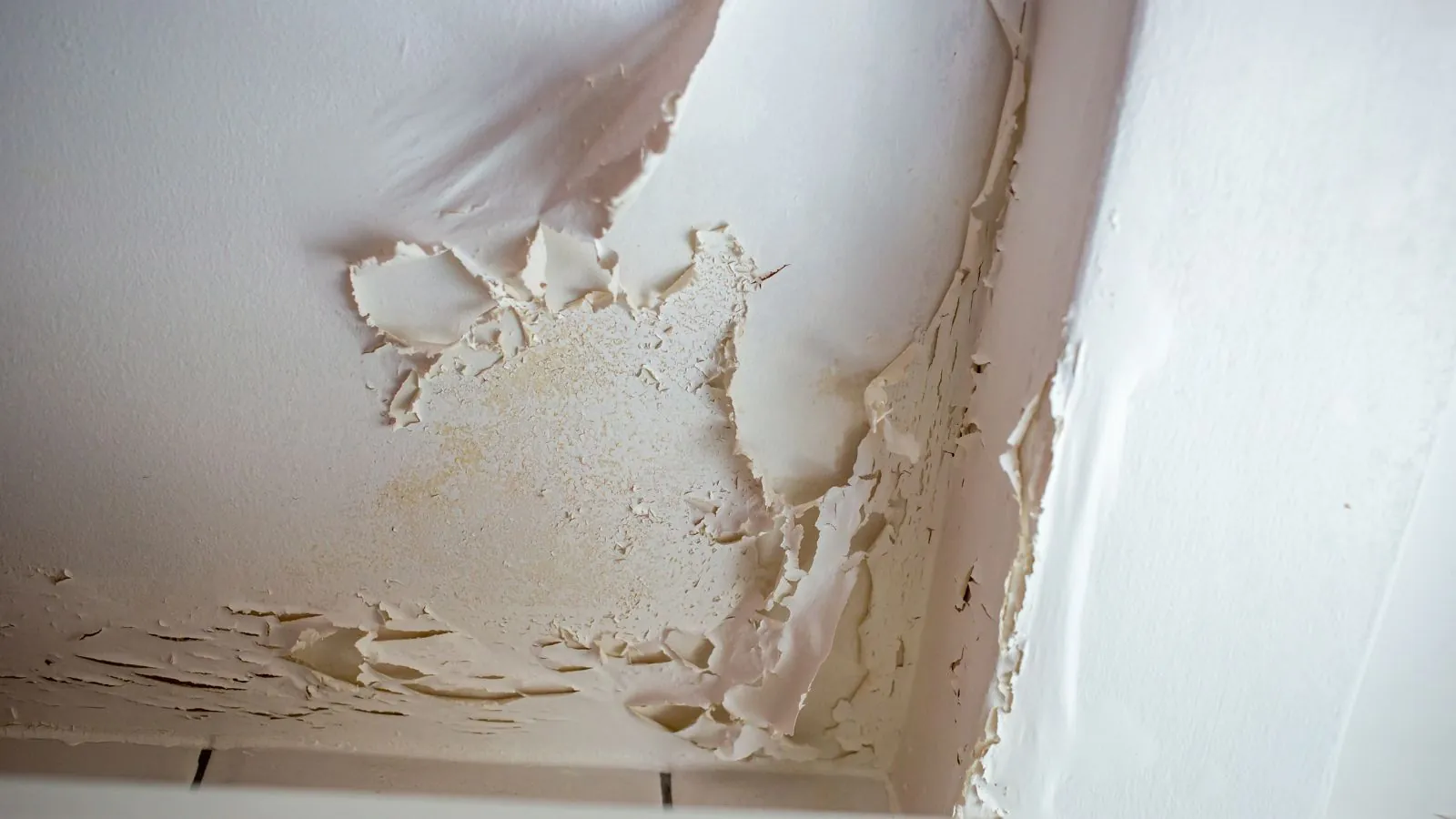
A claim goes better when the record is built as the loss unfolds. Adjusters need to see what the home looked like, what caused the water and what you did next. The steps below are general and your carrier may use its own process.
In the First Hour
Stop the source if you can do it safely. Close the main shutoff, turn off the appliance or place a tarp over the roof opening. Georgia insurance guidance specifically recommends tarping a damaged roof and documenting it with photos.
Then take photos and video before anything moves. Capture wide shots of each room, close-ups of damage and the source of the water. Narrate the video with the date and time.
On the Same Day
Call your carrier or agent and report the loss. Ask for the claim number, the adjuster contact and any emergency mitigation requirements. Write down the time of the call and the name of the person you spoke with.
Call a restoration crew to extract water and start drying. Wet materials left in place for more than 24 to 48 hours risk mold growth, according to EPA guidance, so waiting for the adjuster before any drying can increase the loss.
| Item | Why it helps |
|---|---|
| Photos and video. | Show conditions before cleanup and the source of the water. |
| Moisture readings and drying logs. | Show the extent of wet materials and how drying progressed. |
| Plumber or roofer invoice. | Shows the cause and the repair that stopped it. |
| Receipts for emergency work. | Support reimbursement of mitigation costs. |
| List of damaged contents. | Gives the adjuster item names, ages and approximate values. |
During the First Week
Keep damaged materials until the adjuster has seen them, unless they pose a hazard. If you must discard something, photograph it first and keep a sample, such as a swatch of carpet or a piece of baseboard.
Request a written scope of loss and compare it with the readings and photos you have. If something is missing, such as wet insulation behind a wall, ask the adjuster to reconsider and attach your documentation.
Common Mistakes
- Throwing away damaged items before photographing them.
- Waiting days to start drying because the adjuster has not visited.
- Signing a repair contract before you understand the scope in your claim.
- Skipping notes about phone calls and promises made by anyone involved.
Talking to the Adjuster
Be factual and keep notes. Describe what happened, what you did to stop it and when. Avoid guessing about causes you cannot see, such as whether a pipe failed from age or from a defect. If you do not know, say so.
Ask the adjuster to explain anything unclear in the scope of loss. If you disagree with part of it, send a short written note with your photos and readings. A calm, documented request is usually more effective than a long phone argument.
Temporary Housing and Contents
Some policies pay for temporary housing when part of the home cannot be used. Ask early, because the rules often require receipts and have limits on time and amount. Keep a running list of contents with item names, ages and approximate prices.
Do not discard contents until you have photographed them. If an item cannot be saved, a photo of the item and its label is often enough for the adjuster.
If Your Claim Is Denied or Reduced
Ask for the reason in writing and compare it with the policy language. Denials often rest on exclusions for flood, long-term seepage or lack of maintenance, so your photos and the timeline of discovery matter. Moisture readings that show a sudden event can help.
You can ask for a re-inspection, submit more documents or request an appraisal if your policy includes that option. Georgia also has a consumer assistance process through the state insurance office, which is a place to ask questions about your rights.
Keep every email and letter in one folder. A clear paper trail is the strongest tool in a dispute.
Keeping a Claim Log
A simple spreadsheet or notebook works. Record each call with the date, the person you spoke with and what was decided. Add receipts, invoices and photos by file name. When a question comes up weeks later, the log answers it in a minute.
Claims After Local Storms
After a heavy storm in Douglas County, carriers and contractors can both be busy for days. Your documentation and the mitigation records matter more in that window, because the first adjuster visit may happen after the drying is underway.
The Douglasville-Douglas County Water and Sewer Authority publishes an Application for Leak Billing Adjustment. If a covered leak spiked your water bill, ask whether the Authority form applies, since that is a cost your insurance claim may not address.
If you need help starting the dry-out, read about structural drying or flood damage restoration. The service area includes Winston and Douglasville, and the service area page explains how to confirm your address.
Common Questions
No. Document the damage, then begin emergency drying. Waiting can increase the loss and risk mold.
We provide readings, photos and scope notes you can share. Your carrier decides coverage.
It varies with the loss and the carrier. Keep records and follow up in writing.
In most cases you can. Ask your carrier whether it has requirements for mitigation vendors.